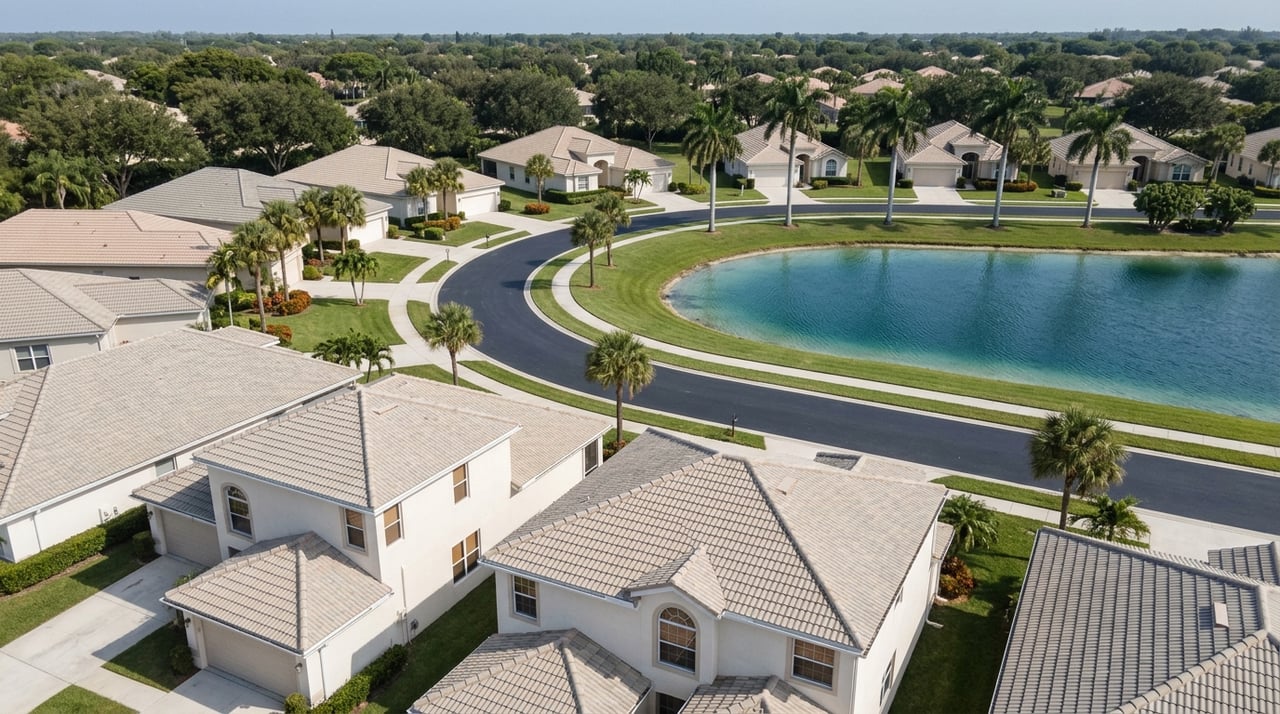
Relocating To St. Lucie County: What New Residents Should Know
May 7, 2026
May 7, 2026
Thinking about a move to St. Lucie County? You are not alone. This part of the Treasure Coast has been growing quickly, and for good reason: it offers a mix of coastal access, suburban neighborhoods, preserved green space, and practical commuting options. If you want a clear picture of what daily life looks like before you pack the boxes, this guide will walk you through the essentials. Let’s dive in.
St. Lucie County continues to attract new residents, with an estimated population of 402,449 as of July 1, 2025. That marks a 22.2% increase since the 2020 Census, which signals strong interest from people looking for more space, a different pace, or easier access to the Treasure Coast lifestyle.
For many buyers, the appeal is balance. You can find established city areas, newer suburban communities, coastal recreation, and unincorporated parts of the county with a different feel, all within one county. That gives you more flexibility when deciding what kind of day-to-day environment fits your goals.
One of the first things to know is that St. Lucie County has a relatively simple municipal layout. Port St. Lucie and Fort Pierce are the two incorporated cities, St. Lucie Village is the village, and the rest of the county is unincorporated.
That matters when you start your home search. In practical terms, many relocation decisions come down to whether you want to live in a more inland setting, closer to the coast, or in an unincorporated area with a different land-use pattern and housing mix.
Port St. Lucie is the county’s largest city, with an estimated 258,575 residents as of July 1, 2024. If you are looking for a larger suburban footprint, this is often where your search begins.
St. Lucie County offers a lifestyle that blends convenience with outdoor access. Countywide, the mean travel time to work is 29.3 minutes, which gives you a useful baseline if commute time is part of your relocation planning.
The county also has a housing profile that leans heavily owner-occupied. Census QuickFacts reports a 78.6% owner-occupied rate countywide, and Port St. Lucie reports an 84.0% owner-occupied rate. For many newcomers, that points to a market where single-family homes are a common starting point, though condos, townhomes, and rentals still play an important role in denser or coastal areas.
Cost expectations matter too. Census QuickFacts lists a median owner-occupied home value of $347,300 in St. Lucie County and $369,200 in Port St. Lucie. Median gross rent is listed at $1,585 countywide and $1,937 in Port St. Lucie.
If you are relocating from out of area, learning the main roads early can make your search much easier. The county’s two major north-south routes are I-95 and Florida’s Turnpike, which shape many commute patterns and regional travel plans.
For east-west travel, you will likely hear a few names again and again: SR 70, also known as Okeechobee Road, plus US-1, Midway Road, and Crosstown Parkway. These corridors often come up when buyers compare convenience, access to shopping and services, or travel between inland and coastal parts of the county.
If you prefer to have a backup to driving, ART can be helpful. The county’s transit system is fare-free and serves Fort Pierce, Port St. Lucie, St. Lucie Village, and unincorporated areas through eight fixed routes and microtransit zones.
Most daily travel in St. Lucie County happens by car, but there is local aviation infrastructure worth knowing about. Treasure Coast International Airport in Fort Pierce supports general aviation, charter flights, flight training, medical transport, and U.S. Customs and Border Protection services.
For some new residents, that adds convenience for business travel, private aviation needs, or specialty services. Even if you do not use the airport regularly, it is part of the county’s overall transportation picture.
A major draw for many relocators is access to the water. St. Lucie County has 21 miles of Atlantic shoreline, and nearly half of that shoreline is protected as public preservation land.
The county offers a range of beach experiences. Walton Rocks allows dogs, Frederick Douglas Memorial Park includes the county’s horseback-riding beach, and Pepper Park and Waveland offer lifeguarded beach access.
Fort Pierce Inlet State Park is another standout coastal destination. There, you can enjoy swimming, snorkeling, surfing, scuba diving, beachcombing, picnicking, and fishing along a half-mile beach.
If your ideal move includes more than beach days, St. Lucie County gives you plenty of options inland too. Savannas Recreation Area is a 550-acre preserve with camping, paddling, fishing, a dog park, trails, and canoe and kayak rentals.
Oxbow Eco-Center adds another type of outdoor experience. This 225-acre preserve and learning center includes boardwalks, trails, an observation tower, and free admission, making it an easy place to explore if you want low-key outdoor time close to home.
County preserve data also shows the depth of the local outdoor network. St. Lucie County reports nearly 11,000 acres of preserved and natural lands, 26 public preserves, and 85 miles of non-motorized trails, along with waterways connected to the Indian River Lagoon.
Relocation is not only about picking a county. It is also about matching your home type to your lifestyle, budget, and timeline.
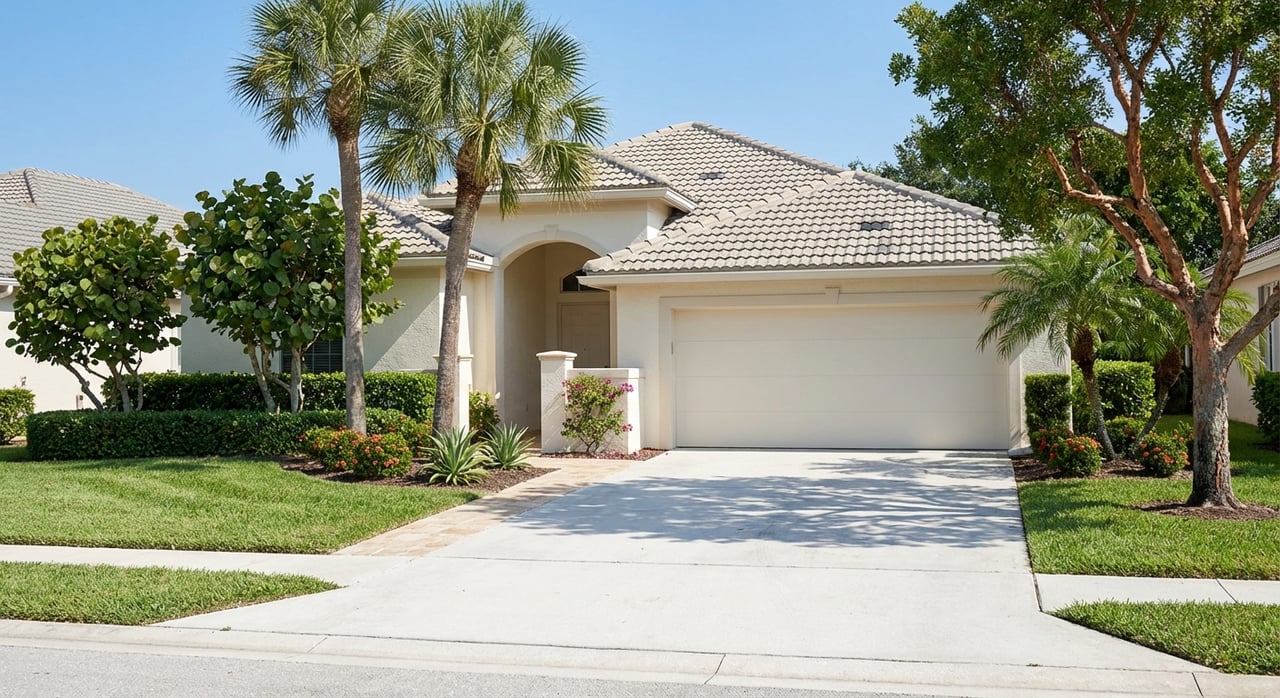
Because the market is largely owner-occupied, many newcomers focus first on single-family homes. That can make sense if you want more privacy, a yard, or a traditional suburban layout.
At the same time, condos and townhomes may appeal if you want a lower-maintenance setup or prefer a location closer to denser areas or the coast. Rentals remain part of the housing picture as well, especially if you want to learn the area before you buy.
If you are considering a property in a homeowners association or condominium, do your due diligence early. In Florida, HOA records can include bylaws, articles, declarations, rules, minutes, insurance policies, contracts, and financial records.
That information matters because it can affect both your budget and your moving timeline. HOA estoppel certificates must be issued within 10 business days, and they can show assessments, transfer approval requirements, and right-of-first-refusal issues.
Reserve funding matters too. Under Florida law, reserve shortfalls can lead to special assessments, so it is smart to review association financials carefully before you commit.
For condos, buyers are entitled to current copies of key documents, including the declaration, articles, bylaws or rules, annual financial statement and budget, and when applicable, milestone inspection and structural integrity reserve study materials. If you are relocating from another state, this step is especially important because condo and HOA processes may look different from what you are used to.
One of the most common relocation mistakes is underestimating how long the final steps can take. If you are using mortgage financing, borrowers must receive the Closing Disclosure at least three business days before closing.
That does not mean the process is always quick before that point. Closing can still take several weeks while documents are prepared, reviewed, and signed, especially if an association approval process is also involved.
If you are coordinating movers, school or work schedules, lease endings, or out-of-state travel, build in breathing room. A realistic timeline can reduce stress and help you avoid last-minute surprises.
In coastal Florida, storm planning should be part of your relocation checklist. St. Lucie County notes that standard homeowners insurance policies do not cover flood damage, and flood insurance often comes with a 30-day waiting period.
That means it is best to ask questions early if flood coverage may be relevant to the property you are considering. Waiting until the last minute can create gaps in your planning.
It also helps to know the seasonal rhythm. Hurricane season runs from June 1 through November 30, and residents can sign up for Alert St. Lucie notifications for emergency updates and public safety information.
Before you make your move, focus on a few practical steps:
Relocating to St. Lucie County is about more than picking a house on a map. You are choosing commute patterns, access to the coast, housing style, and the kind of daily routine you want to build.
That is why local guidance can make such a difference. When you have someone helping you compare areas, explain timing issues, and spot details that affect your move, the process tends to feel more organized and far less overwhelming.
If you are planning a move to St. Lucie County and want concierge-style support from a team that knows the Treasure Coast well, connect with Alexa McDonald. You will get thoughtful guidance, local insight, and a smoother path from search to closing.
Stay up to date on the latest real estate trends.
Navigate the real estate market with confidence. Alexa McDonald offers expert guidance, personalized service, and a seamless experience across Palm Beach and beyond. Whether buying, selling, or investing, let’s achieve your goals. Contact Alexa today!