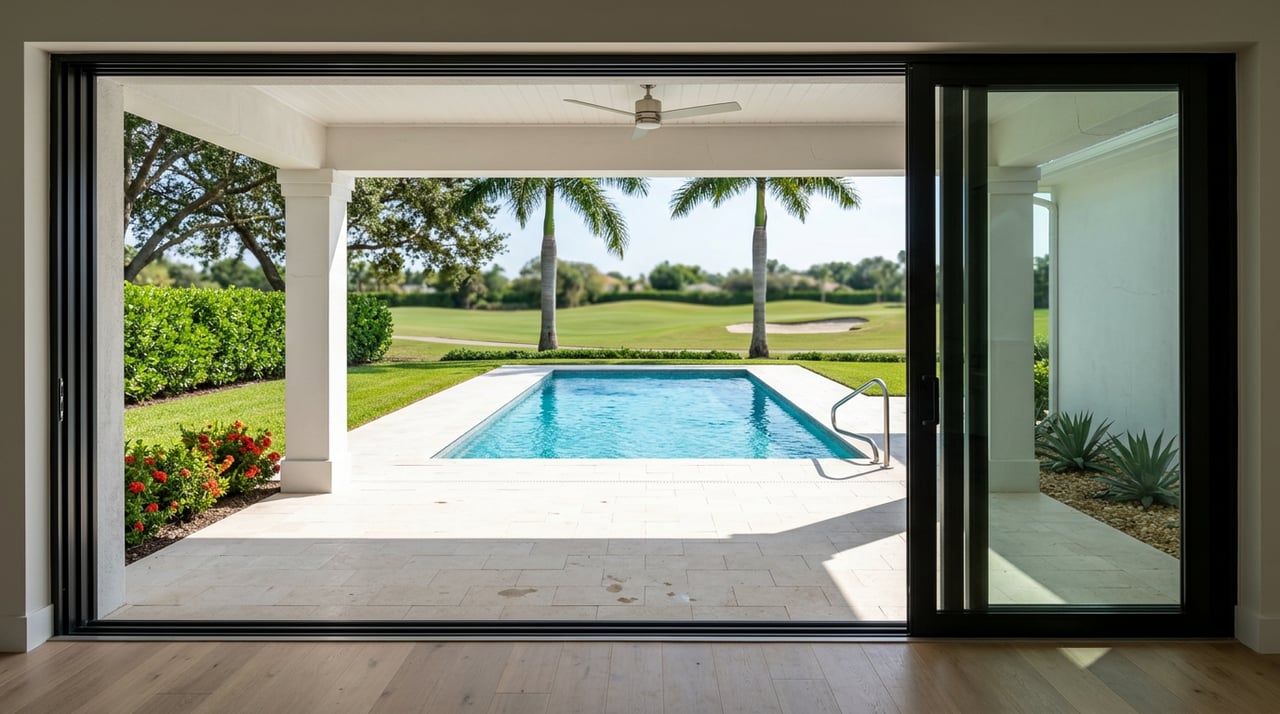
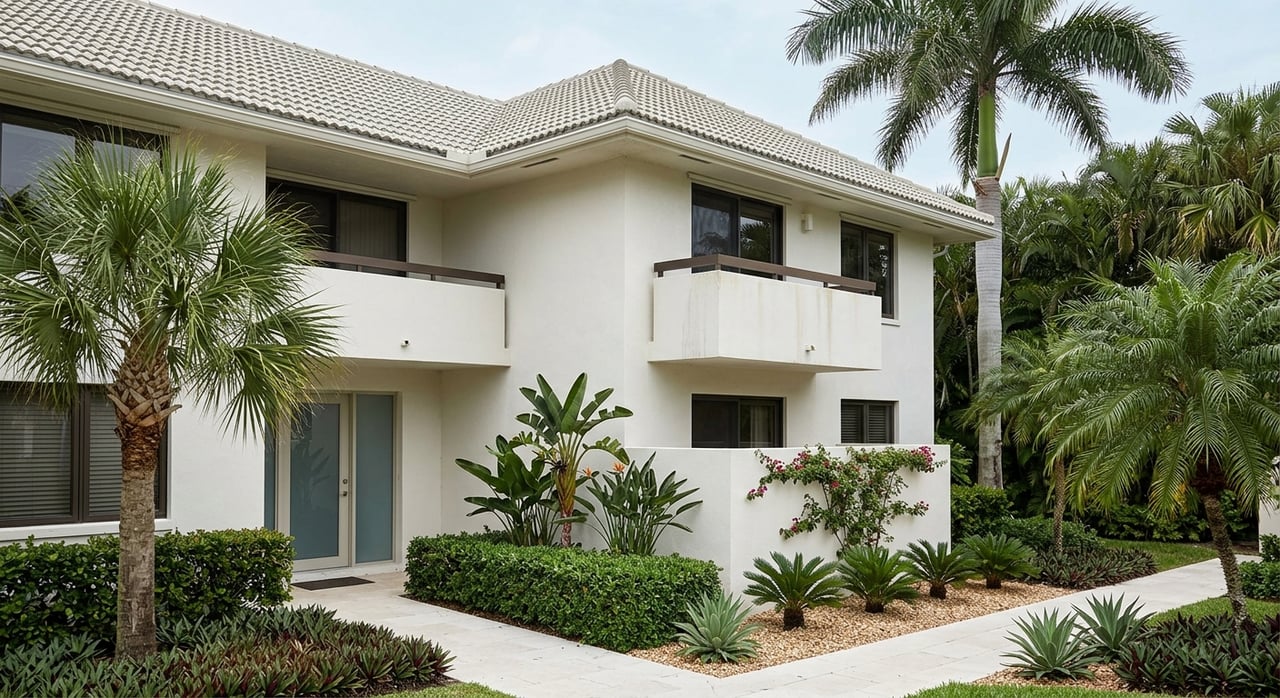
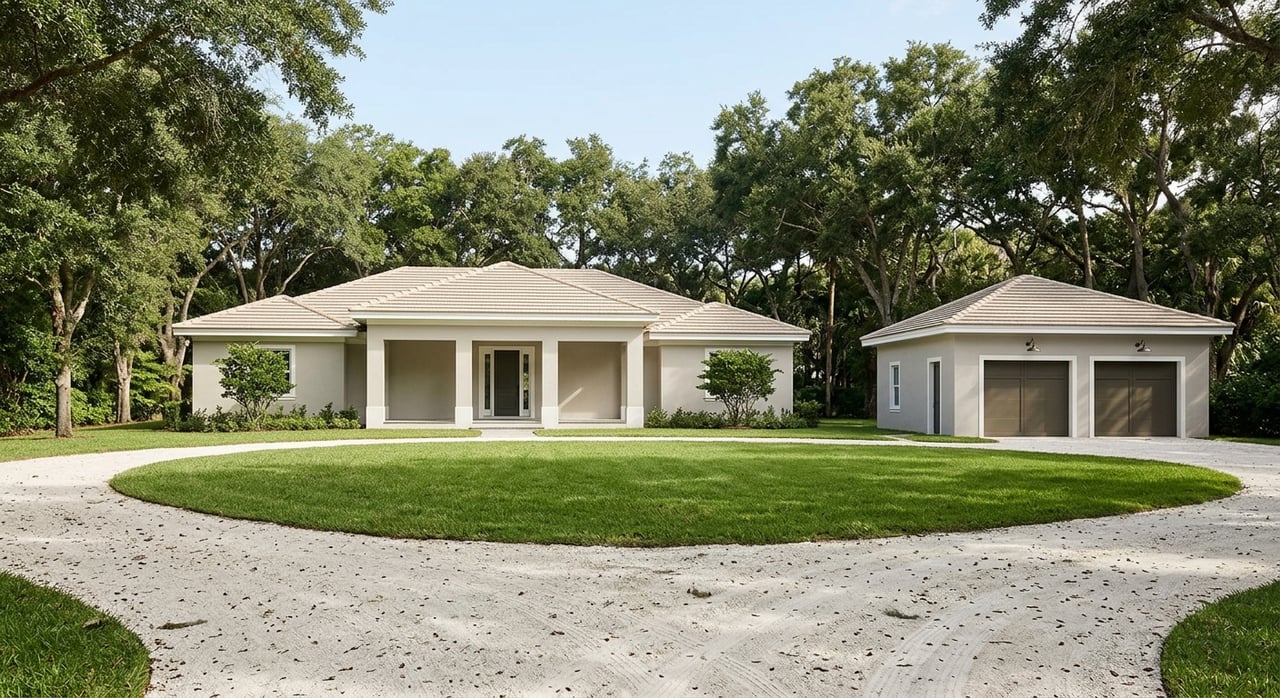
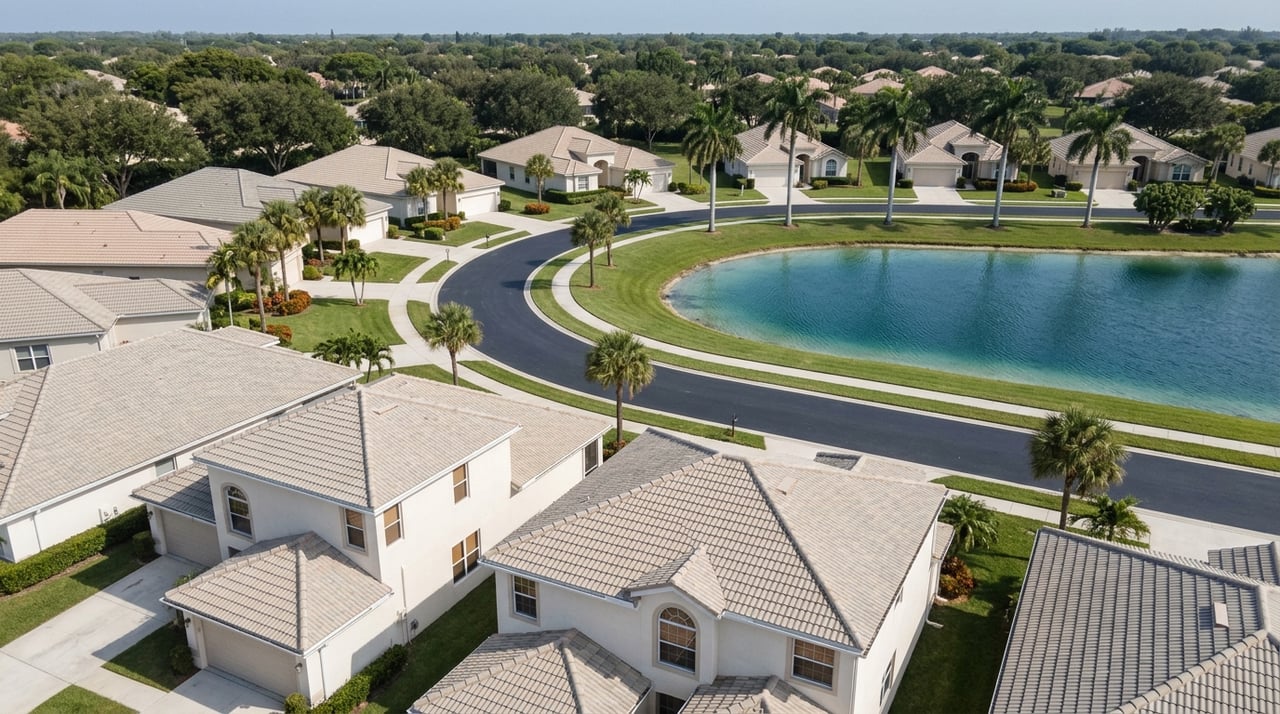
If your perfect morning starts with a tee time and ends with sunset by the clubhouse, Palm Beach Gardens may be your sweet spot. The challenge is choosing the right community and membership model for your lifestyle and budget. This guide helps you compare golf and club communities, understand true costs, and plan smart due diligence before you buy. You will leave with a clear checklist and local examples to make your next step simple. Let’s dive in.
Golf, country club, or non-club
Understanding how these neighborhoods work will shape your daily life and your budget.
- Golf community. Homes built around one or more courses. Access may be private or resort-operated, and membership can be optional or tied to specific homes. See how this plays out in PGA National’s master plan via the PGA Property Owners Association community overview.
- Private country club. Member-focused clubs that offer golf, dining, racquets, fitness, spa, and social events. Memberships may be equity, non-equity, or deeded to the home. Mirasol’s membership page explains its structure in detail at The Country Club at Mirasol.
- Resort or amenity neighborhood (non-club). Planned communities with HOA amenities like pools and fitness, often without mandatory private club membership. Golf, if available, is usually pay-to-play. You can compare neighborhood types in the PGA POA community summaries.
How membership models change daily life
Membership type affects tee access, scheduling, and guest privileges.
- Access and priority. Private country-club members typically receive preferred tee windows, member tee sheets, and reciprocal privileges. Review a large private club’s amenity model at BallenIsles Country Club.
- Cost profile. In a club community you may pay HOA or POA dues plus a one-time initiation, annual dues, and a food-and-beverage minimum. In non-club neighborhoods you often just pay HOA dues and green fees when you play. Specific figures vary and should be confirmed with each membership office.
- Resale differences. Some buyers value deeded or title-linked club access because it can boost demand on certain lots. Others prefer flexibility with optional or personal memberships. Mirasol’s membership details show how deeded tiers work.
Common membership types
- Deeded (title-attached). Membership transfers with the home for properties that carry that level. See Mirasol’s membership structure.
- Equity. You hold an ownership interest and may have voting rights. Refund and transfer rules vary by club.
- Non-equity/proprietary. A contractual membership without ownership interest. Rules and transfer policies differ from equity models.
- Tiered options. Full golf, sports/racquets, social-only, junior or weekday tiers. Each tier has specific booking windows and privileges.
What it really costs to live in a club community
Club living combines several cost buckets. Build your budget around the following:
- One-time initiation or capital contribution. Amounts vary widely by club and tier. Treat published numbers as estimates and confirm with the membership office. For context on one local example, review the Mirasol profile at Country Club Magazine.
- Annual or monthly dues. Ongoing access to golf, racquets, dining, fitness, and social programming. Large equity clubs like BallenIsles publish amenity overviews so you can weigh value.
- Food and beverage minimums. Many clubs require a minimum spend. You can see how a resort-affiliated club structures options by reviewing PGA National membership details.
- Cart, caddie, guest fees, and storage. Factor in your typical play.
- HOA/POA dues. Separate from club dues. Review master association resources at PGA POA.
Tip: Ask the club to provide a written first-year cost estimate, including initiation, dues, taxes, minimums, and any transfer fees. Request a copy of the membership agreement for refund and transfer language.
Palm Beach Gardens communities at a glance
Below are examples buyers often compare. Always verify current availability, pricing, and membership terms directly with the club or association.
PGA National Resort & Members Club
A large master-planned resort with multiple courses and a range of neighborhoods. Some homes offer optional memberships while others might have different access structures. Explore the neighborhood variety through the PGA Property Owners Association.
- Lifestyle: Resort conveniences, multiple golf options, and varied HOA communities under one umbrella.
- Good fit for: Buyers who want flexibility and a wide range of housing types and price points.
BallenIsles Country Club
An established, member-owned private club known for championship golf, full racquets, dining, fitness, and a robust social calendar. Learn more at the BallenIsles Country Club site.
- Lifestyle: Equity-club culture with strong programming and amenities.
- Good fit for: Buyers who want a classic private-club experience with villas through estate homes.
The Country Club at Mirasol
A premier private club with two golf courses, racquets, fitness, dining, and a membership structure that can be tied to the home on certain properties. Details are outlined on Mirasol’s membership page.
- Lifestyle: High-service club environment with tiered memberships and active social life.
- Good fit for: Buyers who like the clarity of deeded membership and a refined amenity mix.
Old Marsh Golf Club
An exclusive, low-density private club with a Pete Dye course, limited roster, and a caddie program. Membership is highly managed, with a focus on privacy and tee availability. Explore the ethos at Old Marsh Golf Club.
- Lifestyle: Quiet luxury and golf-first culture.
- Good fit for: Buyers seeking an intimate club with an emphasis on course experience and privacy.
Note: Ultra-luxury options nearby, such as Bear’s Club and Frenchman’s Creek, are also commonly compared for their large custom estates and limited memberships. Availability and pricing can be highly variable.
Home types and price signals
You will find a mix of condos, townhomes, villas, single-family homes, and estate properties around Palm Beach Gardens’ club scene.
- Condos, townhomes, and coach homes. Common in large master plans like PGA National. See the PGA POA for neighborhood examples.
- Villas and single-family homes. Popular in private clubs like Mirasol and many PGA National neighborhoods, with 3 to 5 bedroom options.
- Estate and custom homes. Standard in ultra-luxury enclaves such as Old Marsh and others, with large lots and custom architecture.
Recent neighborhood snapshots can help set expectations. For example, PGA National has shown a median listing price around the mid six figures in recent summaries, with one snapshot near about $648,500. Mirasol has trended near about $1.7 million, and BallenIsles around about $2.25 million. Treat these as illustrative only. Always confirm current pricing and inventory before you make decisions.
Resale points to evaluate
- Membership transferability. Is membership deeded to the property, refundable, or personal to the seller? Mirasol’s membership information explains title-linked tiers.
- Mandatory membership and lending. If a membership is required and appurtenant to the property, your lender may count that payment when calculating your qualifying debt. Reference FHA guidance on recurring obligations in this loan program section.
- HOA vs. club billing. HOA or POA dues often appear on resale or estoppel documents, while club obligations may transfer through a separate process. Request both sets early from the association and the club.
Your buyer due-diligence checklist
Request these documents early so you can model total cost and timeline with confidence.
- HOA/POA governing docs. Covenants, CC&Rs, bylaws, rules. Start with the PGA POA resources for a sense of what to expect.
- Resale certificate or estoppel letter. Confirms current dues, delinquencies, pending assessments, and transfer fees.
- Club membership packet and agreement. Initiation, dues, refund/transfer terms, guest policies, booking windows. See membership language at Mirasol.
- Audited financials and reserve study. For the association and, if available, the club. This helps you assess reserve health and the likelihood of assessments.
- Board meeting minutes. Review 12 to 24 months for upcoming projects, litigation, or unusual expenses.
- Roster limits and waitlist policy. Compare current members to capacity to gauge tee availability. Exclusive clubs like Old Marsh emphasize managed rosters.
- Rental rules and seasonal use. If you plan to rent part-time, confirm restrictions and minimum lease terms.
- Master insurance declarations. Review wind, hurricane, and flood coverage, plus master policy deductibles.
Questions to ask the HOA and membership office
Is membership tied to this specific home or available separately, and which tier is included or required? See deeded examples at Mirasol.
What is the current initiation fee, monthly or annual dues, food-and-beverage minimum, and estimated total first-year cost? Are initiation fees refundable or subject to capital calls? Find a local example format at Country Club Magazine’s Mirasol profile.
Are any special assessments planned or in progress, and what is the five-year assessment history?
How are tee times allocated among residents, members, and resort guests? Are there seasonal blackout dates? Review a large equity club’s programming at BallenIsles.
What are guest policies, reciprocity, and any trial or preview membership options?
If the membership is deeded, what steps and fees are involved to transfer it at closing? If not deeded, what is the application and waitlist process? See Mirasol’s guidance.
How does the club handle course maintenance practices near homes, including fertilizer and pesticide use, and any sustainability certifications?
Practical tip: Ask the seller for the last 12 months of HOA and club billing statements and request the association’s estoppel early. Your lender and accountant can then model the total monthly impact with accuracy.
Financing, insurance, and local risk checks
- Lender qualification. Lenders include HOA dues when calculating your debt-to-income ratio. If the club membership is mandatory and tied to the property, your lender may also treat it as a recurring obligation. Review the FHA reference language on recurring housing costs in this loan program section and ask your lender how they will underwrite your scenario.
- Flood and hurricane exposure. Palm Beach County flood maps have been updated in recent cycles, and some areas shifted into higher-risk zones, which can affect insurance requirements and cost. Get flood and wind-mitigation quotes early and use local mapping tools cited in this Palm Beach Gardens insurance guide.
- Policy and law updates. Florida has enacted changes that affect associations and storm protections. For a state-level overview, see Florida Realtors’ summary of recent HOA and flooding legislation.
- Local property data. Use the county’s GIS and property tools to confirm parcel details and tax data at the Palm Beach County Property Appraiser.
How to choose the right fit
- Start with lifestyle. How many rounds per month do you expect to play, and what racquets, fitness, spa, or social features matter most? Prioritize the daily experience first.
- Right-size the budget. Add up HOA or POA dues, initiation, annual dues, minimums, cart or caddie fees, and a contingency for assessments. Ask the club for a written first-year estimate.
- Test tee access. Ask for historical utilization, member counts, and booking windows in peak months. Visit during season if possible.
- Confirm membership mechanics. If deeded, read the transfer steps and fees. If non-deeded, study waitlists and approval timelines.
- Validate risk and reserves. Review audited financials, reserve studies, minutes, and insurance declarations for both the association and the club.
Buying into a Palm Beach Gardens golf or club community should feel exciting and well-planned. With the right questions and a clear understanding of costs, you can choose a neighborhood that fits your lifestyle today and supports strong resale tomorrow. If you would like a curated shortlist, private previews, and help coordinating membership calls, we are here to guide you every step of the way.
Ready to explore top golf and club communities in Palm Beach Gardens? Reach out to Alexa McDonald to compare options and schedule tours. Schedule Your Free Consultation.
FAQs
What is the difference between a golf community and a private country club in Palm Beach Gardens?
- A golf community is built around courses and may offer optional or pay-to-play access, while a private country club provides member-priority golf plus dining, racquets, fitness, spa, and social events with structured dues and membership tiers.
How do deeded memberships work when buying a home in Mirasol?
- On homes that carry a deeded tier, the membership is tied to the property and transfers with title at closing; confirm specifics on Mirasol’s membership page.
What costs should I budget for in a Palm Beach Gardens club community?
- Plan for initiation or capital contribution, annual or monthly dues, food-and-beverage minimums, cart or caddie and guest fees, plus HOA or POA dues and a contingency for assessments.
Will mandatory club dues affect my mortgage qualification?
- Yes, if the club obligation is required and tied to the property, many lenders include it in your monthly debt-to-income calculation; confirm treatment with your lender and review this FHA guidance excerpt.
How can I check flood risk and insurance considerations for a Palm Beach Gardens home?
What documents should I request before making an offer in a club community?
- Ask for HOA or POA documents, the resale or estoppel letter, the club membership packet and agreement, audited financials and reserve studies, recent board minutes, insurance declarations, and details on member capacity and waitlists.