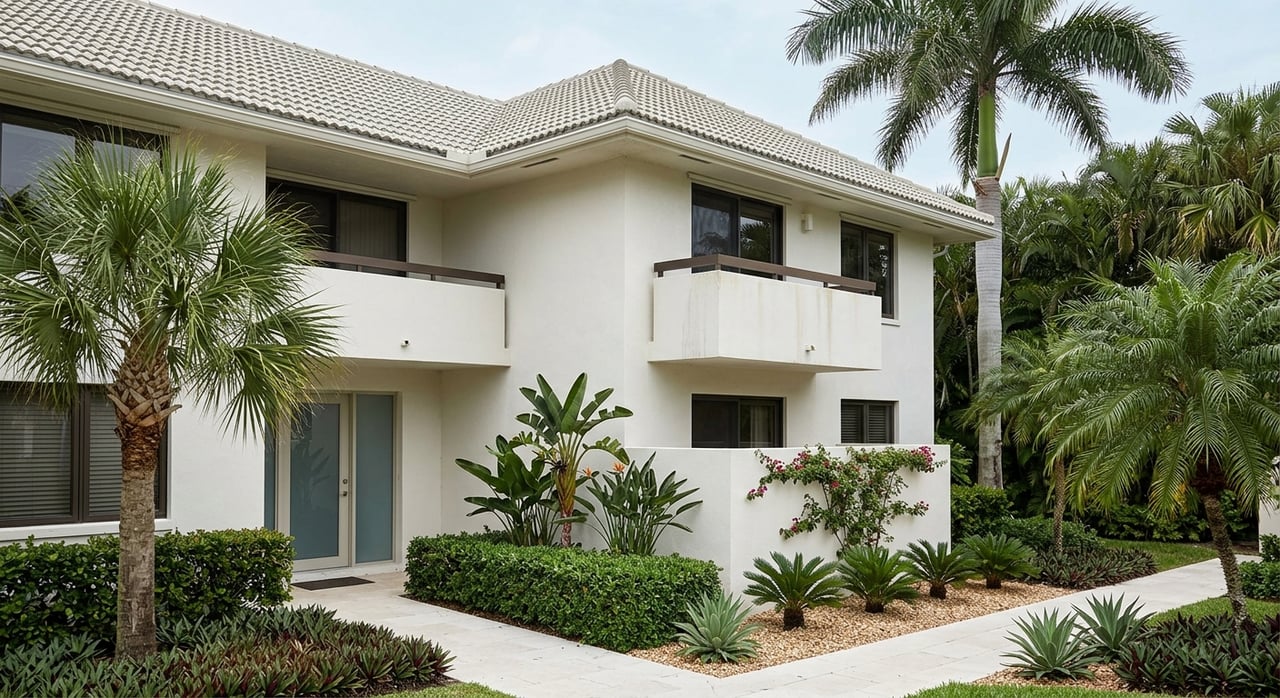
Buying A Second Home Or Condo In Juno Beach
May 21, 2026
May 21, 2026
Dreaming about a place by the water where you can spend winter mornings on the beach and head home without a long to-do list? That is exactly why many second-home buyers look at Juno Beach. If you are weighing a condo or second home here, it helps to understand not just the lifestyle, but also the ownership details that can affect your costs and peace of mind. Let’s dive in.
Juno Beach is officially described by the town as a seaside, predominantly residential community with oceanfront estates, condominiums, and businesses that serve both vacation and permanent residents. That mix gives you a coastal setting that feels residential first, rather than built only around tourism.
For many seasonal buyers, that matters. You may want easy access to the beach and outdoor recreation, but you may also want a place that feels livable year after year. Juno Beach offers that blend of everyday comfort and coastal appeal.
The local outdoor lifestyle is a big part of the draw. Town information highlights beachgoing, fishing, walking, jogging, and bicycling on the oceanfront bike path, along with nearby golf, tennis, parks, shopping, and arts.
Juno Beach Park adds even more convenience with lifeguards, picnic shelters, and the Palm Beach County pedestrian pier. Loggerhead Park includes a pavilion, play area, nature trail, reserved picnic shelter, and lifeguards, while nearby Juno Dunes Natural Area offers trails, boardwalks, an observation tower, and kayak or canoe access.
If you are starting your search, it is smart to think of Juno Beach as a condo-first coastal market. Official town materials emphasize oceanfront estates and condominiums, which makes condos an especially natural fit for many second-home buyers who want a lower-maintenance property.
That low-maintenance appeal can be a major advantage if you are only in town part of the year. A condo may offer simpler upkeep than a detached home, which can make it easier to lock and leave between visits.
Still, not every building is the same. In Florida, a condo’s age and height matter because inspection and reserve requirements can affect some buildings differently than others.
Florida law places specific requirements on condominium and cooperative buildings that are three stories or higher. Milestone inspections are required by the year a building reaches 30 years of age, and then every 10 years after that. In some coastal situations, including proximity to salt water, local enforcement can require the first inspection at 25 years.
That is especially relevant in a place like Juno Beach, where many buyers are focused on coastal buildings. The association, not the individual owner, is responsible for arranging the inspection and complying with the law, but the outcomes can still affect your ownership experience and future costs.
Florida law also requires residential condominium associations for three-story-or-higher buildings to complete a structural integrity reserve study at least every 10 years. For many associations that were already unit-owner-controlled before July 1, 2022, that study had to be completed by December 31, 2024.
In practical terms, this means you should look carefully at how a building is planning for major components like the roof and structure. For a second-home buyer, that review is not just a legal box to check. It is part of understanding whether the property fits your budget and comfort level.
For a Florida condo resale, state law requires that buyers receive important association documents. These typically include:
These documents tell you how the association operates and what financial obligations may come with ownership. If you are buying a second home, they are especially important because you may not be on-site full time to monitor changes in the building.
When reviewing them, focus on a few practical questions:
Buying near the coast comes with a different insurance conversation than buying inland. Florida’s insurance guidance explains that a condo unit owner’s HO-6 policy generally covers your personal property and certain building items not covered by the association’s master policy.
That distinction is important because the association’s policy does not automatically cover everything inside your unit. Florida’s consumer guidance specifically advises owners to review the association bylaws and master insurance policy carefully so they understand where the association’s responsibility ends and the unit owner’s begins.
This can affect your out-of-pocket exposure after a loss. It can also affect whether you want extra protection for interior items or loss assessments.
Flood risk is another key part of due diligence in Juno Beach. Palm Beach County says everyone lives in an area with some flood risk, and the county provides flood-zone tools while advising buyers to confirm flood information with an official flood zone determination before purchase or construction.
For a second-home buyer, this step matters even if the property looks elevated or sits in a well-kept community. Flood-related costs and insurance needs can influence your total ownership picture.
Many second-home buyers like the idea of personal use with occasional rental income. If that is part of your plan, you need to separate tax rules from association rules because they are not the same thing.
Under Florida law, rentals or leases of accommodations, including condominiums, for six months or less are treated as transient rentals and are subject to state sales tax and any applicable discretionary sales surtax. Palm Beach County also applies a 6% tourist development tax on rentals of condos and other listed accommodations for six months or less.
A bona fide written lease for longer than six months is excluded from transient rental tax. That makes lease length a major dividing line if you are trying to decide how you want to use the property.
Just as important, do not assume a building allows the rental plan you have in mind. Condo documents may include minimum lease terms, guest policies, approval procedures, or rental caps, so those rules need to be reviewed before you buy.
If you are purchasing a second home in Juno Beach, it is best to be conservative about homestead assumptions. The Palm Beach County Property Appraiser states that homestead eligibility is tied to a permanent residence or homestead.
In plain terms, you should not assume your second home will qualify for the same property tax treatment as a primary residence. If you have questions about income tax, depreciation, or passive loss issues tied to occasional rental use, those are best handled with a CPA or tax attorney.
Juno Beach sits within the broader Palm Beaches coastal region, a 47-mile stretch made up of 39 cities, towns, and villages. Official regional materials place Juno Beach in the north coastal corridor alongside Jupiter and Palm Beach Gardens.
That context can help if you are comparing several coastal options. Juno Beach may appeal to buyers who want a north-county beach setting with a more residential feel, while other areas farther south in Palm Beach County may offer a more urban or nightlife-oriented environment.
That does not make one better than another. It simply means your best fit depends on how you want to spend your time, how much maintenance you want, and whether you see the property as a pure getaway, a seasonal residence, or a part-time rental.
A second home should feel exciting, but it should also feel manageable. In Juno Beach, that means matching the lifestyle you want with the practical details of the property, the building, and the ownership costs.
A thoughtful buying process usually includes:
When you take that approach, you give yourself a much better chance of buying a place that supports your goals instead of surprising you later.
If you are exploring a second home or condo in Juno Beach, working with a local team who understands both the lifestyle and the details can make the process much smoother. Alexa McDonald offers concierge-style guidance for buyers who want a clear, low-stress path to coastal ownership.
Stay up to date on the latest real estate trends.
Navigate the real estate market with confidence. Alexa McDonald offers expert guidance, personalized service, and a seamless experience across Palm Beach and beyond. Whether buying, selling, or investing, let’s achieve your goals. Contact Alexa today!