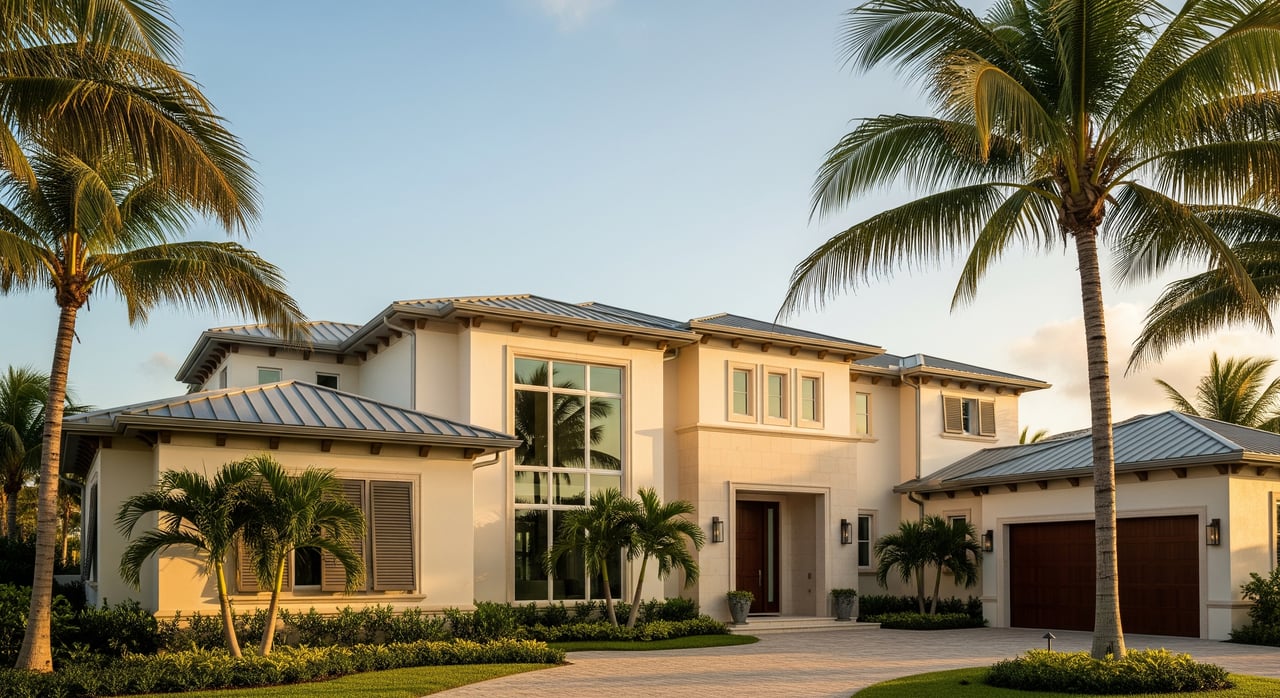
Wind Mitigation in Palm Beach County: Insurance Credits
December 18, 2025
December 18, 2025
Hurricane season and rising premiums can make homeownership in Palm Beach County feel stressful. If you are buying in West Palm Beach, Boca Raton, or Delray Beach, or getting ready to sell, you are probably wondering how to control insurance costs without guessing. Wind mitigation credits are one of the most practical tools you can use. In this guide, you will learn which features insurers typically reward, how to document them, and how to use that information in your purchase or sale. Let’s dive in.
Wind mitigation credits are insurance discounts that reflect how well a home is built to resist high winds. In Florida, insurers commonly review a standardized Wind Mitigation Inspection Form known as OIR-B1-1802. A licensed inspector documents specific features, and the insurer uses those entries to determine any credits. Each carrier sets its own credit schedule and may have caps or combined-credit rules.
Florida’s Building Code has raised wind standards over time, so newer homes often meet stronger baseline requirements. Older homes can still qualify for credits when retrofitted and properly documented. Some insurers also recognize third-party standards like the IBHS FORTIFIED program for additional discounts when verified.
Palm Beach County is exposed to tropical storms and hurricanes along Florida’s Atlantic coast. Wind damage is a leading cause of insurance claims in our region, which directly affects premiums. For buyers and sellers, wind mitigation is about safety first and savings second. Features that reduce risk can improve peace of mind and often make your home more marketable.
Strong opening protection helps prevent broken windows or doors that can pressurize a home during a storm. This includes impact-rated windows and doors or approved shutter systems. Insurers typically give meaningful credit for verified systems because they address the initiating event that causes major damage.
To verify, collect product approvals or Notices of Acceptance, visible labels on frames or glass, permits, installation invoices, and clear photos. Your wind mitigation inspector will record these on the OIR form.
Shutters range from permanent roll-down or accordion systems to removable panels. Professionally installed, approved systems usually carry more weight than temporary options. Many insurers do not offer credit for non-approved or temporary protection. Make sure your system is engineered and installed per its approval, and keep the documentation.
Reinforced entry doors and impact-rated garage doors resist large debris and wind pressures. Because garage door failure can lead to whole-house pressurization, upgrades here may qualify for separate credit. Keep the product approval information, labeling, permits, and installer records to support your inspection.
Metal straps or clips that tie roof framing to wall framing create a continuous load path that reduces uplift failures. Insurers often credit properly installed straps or clips, especially when they can be visually confirmed in the attic. Inspectors typically document these with attic photos.
The way roof sheathing is fastened to rafters or trusses matters. Upgraded nailing patterns and fastener types, such as tighter spacing or ring-shank nails, improve resistance to wind uplift. These details are recorded on the OIR form and can generate credits when verified through attic photos or contractor records.
Newer roof coverings installed to current code standards tend to perform better in high winds. Material also matters. Insurers often provide a credit for newer, approved coverings, but they will want proof. Permits for recent roof replacement, a completion date, or a roofer’s invoice can help confirm eligibility.
A self-adhering underlayment or other secondary barrier under the roof covering reduces water intrusion if shingles are lost. This secondary water resistance is a specific entry on the OIR form and often earns a modest credit because it limits interior damage after a breach.
Hip roofs are generally more wind resistant than gable roofs due to how forces are distributed. Gable ends can perform well when properly braced. Inspectors will note roof shape and the presence of gable bracing where applicable.
A fully continuous connection from foundation to roof helps transfer wind forces safely through the structure. These enhancements can be harder to verify without engineering documentation, but when properly documented, they can support risk-based underwriting decisions.
IBHS FORTIFIED programs set prescriptive upgrades that go beyond code to reduce wind and water damage. Some insurers recognize FORTIFIED documentation with additional discounts. To pursue this path, you need the correct inspections and certification paperwork.
This statewide form is the backbone of wind mitigation credits in Florida. It must be completed and signed by a qualified professional, such as a licensed inspector, contractor, or engineer. Your insurer may also request supporting documents in addition to the form, so plan to gather a complete package.
In Palm Beach County, structural changes like roof replacement and window or door upgrades generally require permits and inspections. Permit records are powerful proof that work met code at the time of installation. Sellers can request copies of permits and final approvals from the Palm Beach County Building Division or retrieve them through the county’s online portal. Buyers should review these records as part of their due diligence.
For windows, doors, and many shutter systems, insurers often require evidence of product testing, such as a Miami-Dade Notice of Acceptance or a Florida product approval. Keep the manufacturer documentation, a copy of labels on frames or glass, installer invoices, and any engineering data. Clear, dated photos help when labels are not easily accessible.
Many credits depend on what is visible in the attic. Inspectors will photograph roof-to-wall straps, nail patterns, gable bracing, and other connection details. Ensure safe access to the attic before scheduling the inspection to avoid delays.
Beyond the OIR form, insurers commonly ask for permit records, product approvals, contractor invoices, clear photos, and in some cases additional engineering reports for significant structural work. Ask your insurer or agent upfront what they require so you can submit a complete package.
In many cases, credits apply after your insurer receives acceptable documentation. If you retrofit a home, obtain permits and inspections, then submit the updated OIR form and supporting documents. Carriers handle changes differently, so ask whether credits apply mid-term or at renewal.
Discounts vary widely by carrier and policy. There is no universal schedule. That said, features that prevent the first point of failure tend to matter most. Opening protection, roof-to-wall connections, and robust roof deck attachment often deliver the largest single credits because they address common failure modes.
Credits usually add up when multiple features are documented together. Some carriers have caps or combined-credit rules, so always ask for the current schedule before investing.
Costs vary based on the home and the scope of work. Impact windows and doors are long-lasting but generally cost more than shutters. Permanent, engineered shutters cost more than removable panels but are easier to deploy and are often weighted more favorably by underwriters. Roof reinforcement and re-nailing can be moderate in cost if access is straightforward, while full roof replacement is a significant investment that may make sense if your roof is near end of life.
Get quotes from licensed local contractors, review permit requirements, and ask your insurer how each upgrade may affect your premium before you proceed.
If you are buying, a clean wind mitigation report and strong documentation help you estimate insurance costs accurately. You can compare competing homes on both safety and premium impact with facts, not assumptions. If a property lacks certain features, you can budget for retrofits and ask your insurer how those upgrades might affect your rates.
If you are selling, highlight verified wind-mitigation features in your marketing. Include roof age and permit dates, impact-system approvals, and a recent OIR form. Clear documentation signals value, reduces buyer uncertainty, and can help your home stand out in West Palm Beach, Boca Raton, and Delray Beach.
When you want a clear plan for buying or selling with insurance in mind, our team is here to help you navigate the details and stay organized. For a friendly, local conversation about your options, connect with Alexa McDonald to schedule your free consultation.
Stay up to date on the latest real estate trends.
Navigate the real estate market with confidence. Alexa McDonald offers expert guidance, personalized service, and a seamless experience across Palm Beach and beyond. Whether buying, selling, or investing, let’s achieve your goals. Contact Alexa today!