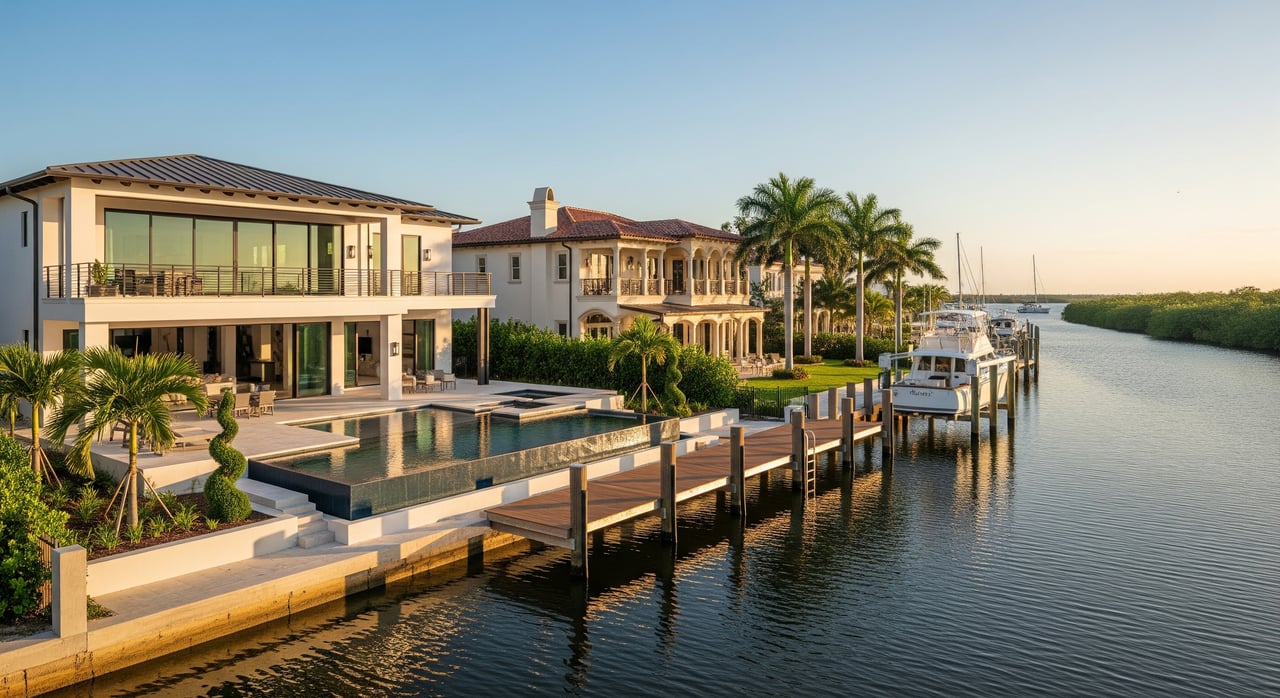
Choosing Between New Construction and Resale in Palm City
January 15, 2026
January 15, 2026
Thinking about a new build or a resale in Palm City? You’re not alone. With shifting market conditions and a range of community options, it can be hard to know which path fits your budget, timing, and lifestyle. In this guide, you’ll learn how new construction compares with resale homes in Palm City, including timelines, costs, HOAs and CDDs, insurance, and negotiation dynamics. Let’s dive in.
Palm City sits in Martin County with a mix of single-family neighborhoods, gated enclaves, and some master-planned communities. Many buyers focus on commute access to I‑95 and Florida’s Turnpike, school assignments, and proximity to boating and river access. Market conditions shift with interest rates and local supply, so your leverage can vary for both new builds and resales.
If you want to customize, new construction can be worth the wait. General timelines vary by build type. Many production or spec homes finish in roughly 3 to 9 months once permits are in place. Semi-custom homes can take about 6 to 12 months, and fully custom builds often run 9 to 18 months or more. Florida permitting, coastal code compliance, and seasonal weather can add time, so ask for a written schedule with clear milestones from permit application to certificate of occupancy.
Builders typically offer tiered coverage. You may see about 1 year for workmanship, around 2 years for major systems, and longer structural coverage that can extend up to 10 years depending on the contract. Florida has specific procedures for handling construction defect claims, so understand your warranty terms and keep detailed records. Schedule an 11-month inspection before warranty expiration to catch items while coverage is active.
Your total cost is more than the base price. Expect lot premiums, upgrades and options, sales tax on builder-installed upgrades, and closing costs. Ongoing expenses can be higher in master-planned communities. Factor in HOA dues and potential Community Development District assessments that appear on your property tax bill. New builds can also increase assessed value, so confirm the assessment timeline with county offices. Ask about any utility connection or impact fees.
Builders tend to protect the base price, but they often offer incentives. You may see closing cost help, rate buydowns, upgrade credits, appliance packages, or end-of-quarter promotions. Negotiate for clearer contract protections, a firm price lock, written upgrade allowances, and realistic completion dates. If a builder suggests a preferred lender, compare the net benefit with at least one other lender.
New homes bring modern layouts, energy-efficient systems, and current Florida Building Code compliance. That can mean fewer near-term repairs and potential insurance credits. The tradeoff is that landscaping and neighborhood maturity take time to develop, and long-term build quality only becomes clear as the home ages. Plan for independent inspections during construction and at final walkthrough.
Resales usually offer faster occupancy. Many close in 30 to 60 days if there are no major title or repair issues. If updates are needed, build in time for renovations or plan to complete projects after closing.
With resale, you can order a general home inspection and add pest, roof, HVAC, pool, septic, or other specialty reviews as needed. Sellers provide disclosures, and buyers typically include financing, inspection, and appraisal contingencies. You can negotiate repairs, credits, or price adjustments based on findings.
Older systems may need near-term replacement. Pay attention to roof age, HVAC condition, plumbing type, electrical upgrades, and potential moisture or termite issues. For insurance, older homes may face higher wind exposure unless improved, while newer homes may qualify for wind mitigation credits. Flood risk is property-specific, so check maps and elevation data where available.
Resale pricing is driven by comparable sales. In a balanced or buyer-leaning market, you might negotiate more on price or credits. In a competitive period, resales can still see multiple offers. The seller’s motivation, time on market, and property condition often matter most.
A Community Development District is a Florida mechanism that funds infrastructure and amenities through bonds repaid by property owners via assessments on the tax bill. The benefits can include enhanced amenities and consistent maintenance. The cost is a recurring assessment that can last for years until the bonds are retired. Ask for the estimated annual assessment and projected bond maturity.
HOAs set community standards, manage common areas, and enforce rules. Review covenants and budgets, and check for reserve funding and special assessments history. Confirm rental policies, pet rules, and maintenance obligations. Understanding these documents before you commit helps you avoid surprises.
New construction often triggers a higher assessed value as it is placed on the tax roll. Confirm timelines and any exemptions through county offices. Insurance costs in Florida vary by wind and flood exposure. New-code construction may qualify for wind mitigation credits, while flood risk depends on location and elevation.
There is no one-size-fits-all answer. The best choice aligns with your timeline, budget, and how you want to live in Palm City. If you value modern features and can wait, new construction can be a smart move. If speed and mature surroundings matter, a well-inspected resale may be your best fit.
Ready to compare real options in Palm City with a local, concierge-style team? Reach out to Alexa McDonald for a personalized plan and on-the-ground guidance from The McDonald Team.
Stay up to date on the latest real estate trends.
Navigate the real estate market with confidence. Alexa McDonald offers expert guidance, personalized service, and a seamless experience across Palm Beach and beyond. Whether buying, selling, or investing, let’s achieve your goals. Contact Alexa today!